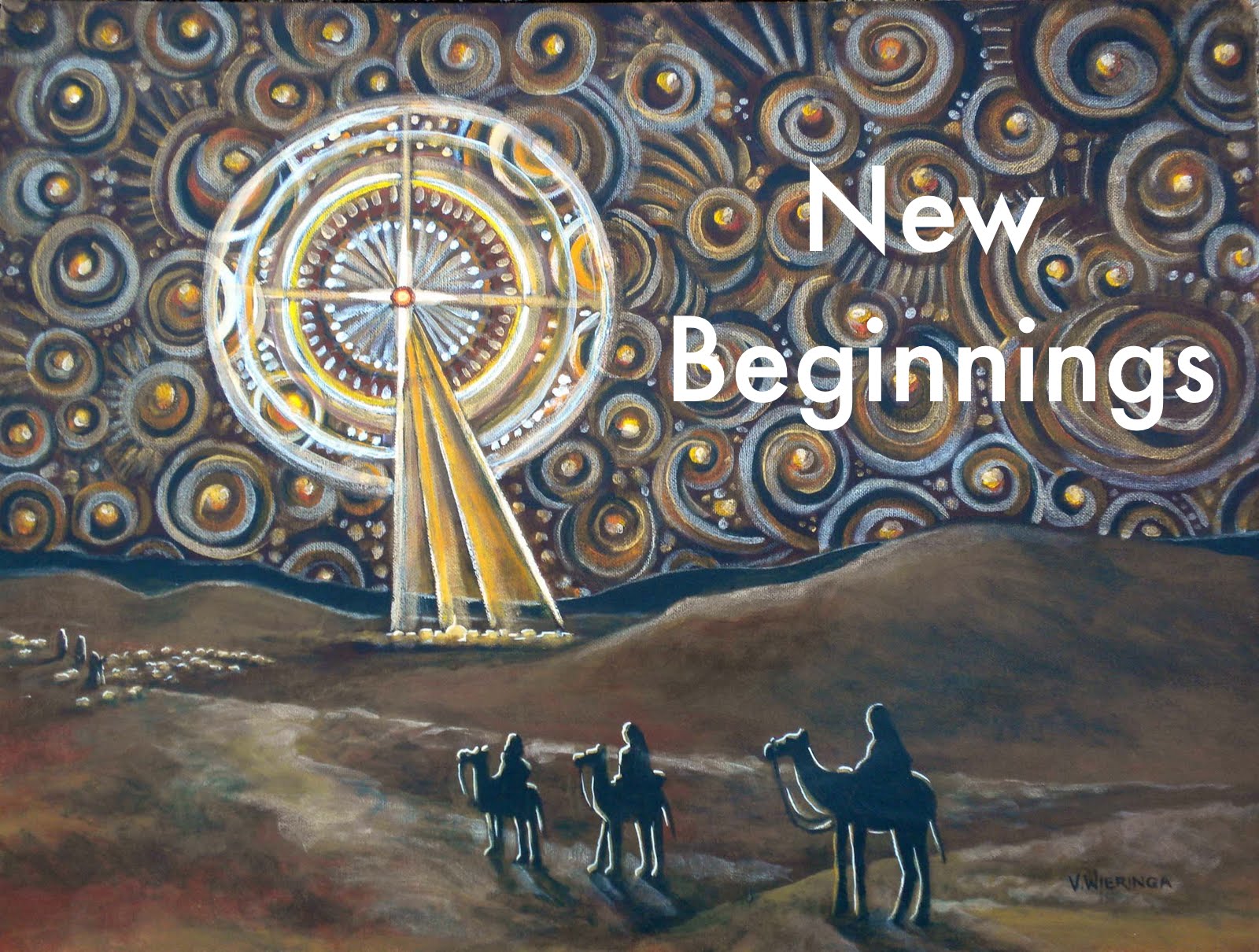
Devotional – Psalm 147.1

Devotional:

Psalm 147.1

Praise the Lord! How good it is to sing praises to our God; for he is gracious, and a song of praise is fitting. 

Weekly Devotional Image

Selecting the hymns for worship on Sunday mornings is a pastoral privilege. Each week I pray over the words for the sermon and seek to find hymns that fit with the general direction of worship. Our hymnal is an invaluable resource that helps us to discover God’s majesty in ways that are powerful and beautiful.

Growing up as a United Methodist, I cherished our hymnal and learned to “sing my faith” on a weekly basis. Though I regularly listened to secular music, is was the tunes from the likes of “O For a Thousand Tongues to Sing” and “Be Thou My Vision” that I found myself whistling and humming during the day. When I became a pastor, and therefore received the responsibility of selecting our hymns, I was very thankful that some of the previous pastors at St. John’ penciled in the dates for hymn selections in the office copy. I immediately knew which tunes were familiar, and which hymns would be a little harder to sing.

hqdefault

Yesterday our worship service was focused on the importance of love being greater than knowledge. I went through my usual sermon preparation and then went to the hymnal and decided that #617 “I Come with Joy” would be a great way to start our worship service (particularly since we would also be feasting at the Lord’s Table). I processed down the center aisle with an acolyte as the organ moved along and the gathered body was singing, but when we arrived at the 4th verse, perhaps by a push from the Holy Spirit, our organist stopped playing and allowed for us to sing a cappella. The words resonated throughout our sanctuary in such a way that I felt shivers in my body: “And thus with joy we meet our Lord. His presence, always near, is in such friendship better known; we see and praise him here, we see and praise him here.”

The psalmist writes that is good for us to sing praises to our God for he is gracious. When the gathered body is together and we can sing the hymns with every fiber of our being, we are truly praising the Lord! However, singing praises to God is not something that is limited to Sunday morning alone; every day is a new opportunity to sing praises to our gracious God. We can do this through our actions, our prayers, and our conversations with others. So long as we remember that God is the source of goodness in life, singing God’s praise will be as natural as breathing.

This week, as we seek to love God and neighbor, let us explore the many different ways we can sing our praises to the Lord. It can be as easy as humming one of your favorite hymns, and it can be as simple as thanking God for something wonderful in your life. Let us praise the Lord!

Devotional – Jonah 3.2

Devotional:

Jonah 3.2

“Get up, go to Nineveh, that great city, and proclaim to it the message that I tell you.”

Weekly Devotional Image

The phone buzzed while I was still asleep. I fumbled with it as I attempted to read the number in the dimly lit room when I discovered that it was from an unfamiliar zip code. On any other morning I might’ve just ignored the call and let it go to voicemail, but for some reason I answered it and began with a sleep-ish “Good Morning.”

“Good morning to you!” the too bright voice on the other end began, “Taylor, I am the District Superintendent from the Staunton District in Virginia. I know you were thinking about pursuing an appointment as an associate pastor, but the bishop and cabinet have prayed over you and we believe that you gifts and graces fit best with a church in Staunton. You are being appointed as the pastor of St. John’s UMC. Have you ever heard of it?”

In a matter of seconds I had gone from resting soundly in a bed, to learning where I would be serving for the next few years. I remember rapidly thinking: “Staunton? Have I ever been there? I know it’s south of Harrisonburg, but that’s about it. Did they just tell me that I’m going to be pastoring by myself? What are the people like? What if they don’t like me? etc.”

preach-word

After finishing the conversation, and making sure that I wasn’t dreaming, I looked up the church online. I used google maps to see what it looked like from the sky and from the road. I used the church website to learn about all the pastors who had served in the past and what the church was currently focused on. I used local newspaper archives to see if the church had been in the news. A few weeks later I got in the car and drove to Staunton just to see what the church looked like from the outside and what the surrounding community was like so that I could see if I  could picture myself there.

God said to Jonah, “Get up, go to Nineveh, that great city, and proclaim to it the message that I tell you.” Staunton is definitely not my Nineveh, but I can relate to the feeling of unease that Jonah had regarding his divine message; Going to a strange city with the task of proclaiming God’s Word is a frightening thing. How will the people respond? Will they hear what God is saying and believe? I still feel that uncomfortable feeling each week as I take the steps up into the pulpit and pray before the sermon begins.

Jonah was tasked with sharing a message with the people in a way that is similar to pastors preaching from pulpits. Similarly, all of us are given opportunities to share God’s message with the people around us: You might see someone alone at work and feel God pushing you to check on them. Perhaps you’ve been putting off a phone call to your son or daughter about how you want your relationship to change. Maybe you’ve been praying for a friend to start coming to church and now is the time to put your prayers into action by inviting them to come with you.

We all have difficult things to share with others around us. We can run away from the Ninevehs in our life like Jonah did or we can be brave and walk into the situations that God has given us a message to proclaim. The choice is ours.

Devotional – Psalm 139.4

Devotional:

Psalm 139.4

Even before a word is on my tongue, O Lord, you know it completely. 

Weekly Devotional Image

I was in the middle of wrapping Christmas presents when my cell phone began to ring. My fingers were covered in tape and I fumbled with answering the phone while keeping the paper pulled tight over the box. Frankly, I’m not a very good wrapper, so I welcomed the distraction of the call with hopes that it would somehow result in me taking enough time away that I would return with perfect wrapping capabilities. The season of Advent and Christmas can be very lonely for pastors as they seek to serve the needs of others so I was greatly pleased when I saw that my friend, and best man, was calling me out of the blue.

Josh and I met in seminary, and when we graduated he went out to Wichita, KS to work for the Apprentice Institute at Friends University while I became a pastor in the UMC. Josh and his wife recently welcomed their first daughter into the world (Isla Rose) and I specifically tried to not overburden him with phone calls and video-chats, even though I wanted to hear and see everything about his family and time as a father. I have known for a long time that he would be a great Dad and I was excited to hear about how things were going for him when he called. However, the phone conversation focused on a topic of conversation that I was not necessarily prepared for.

1959582_10202693843378214_739260359549815304_n

We spent the first few minutes catching up about the typical things when Josh’s tone suddenly changed and I knew he was calling for a specific reason. Instead of piling up the preliminary excuses and attempting to justify his decision he put it simply: “I am leaving my work with Apprentice, and going to work in the secular world.” At first I was completely shocked; Josh is one of the greatest disciples I have ever met, he ministered to me while we were in school together, and he would no longer be working for the church. He shared with me his reasons (all valid) and my shock quickly changed to compassion. He told me that he had been wrestling with the decision for a long time but was afraid to share it with me. He was worried that I would be disappointed or react in such a way that it would change our friendship.

I am disappointed that the Church has lost such a great and promising leader, but at the same time I recognize that the Spirit moves in mysterious ways and perhaps Josh can now be even more fruitful for the kingdom of God. I believe that God has moved in Josh’s life for this specific change and it will bring glory to the triune God here on earth. My only wish is that Josh would not have feared about my reaction, and would have known that nothing could change our friendship.

God knows our words and thoughts even before they are on our tongues and minds. God’s love remains steadfast toward us regardless of our decisions and actions. Can you imagine how differently we would interact with others if we trusted them the same way that we trust God? Can you picture what that kind of love and forgiveness would look like in your life?

This week, let us show our friends how much we love them. All it might take is a phone call, an email, or a text message, but it could make all the difference in the world.

Forgiving the Dust – Sermon on Genesis 3.19 & Matthew 6.9-15

Genesis 3.19

By the sweat of your face you shall eat bread until you return to the ground, for out of it you were taken; you are dust, and to dust you shall return.

Matthew 6.9-15

“Pray then this way: Our Father in heaven, hallowed be your name. Your kingdom come. Your will be done, on earth as it is in heaven. Give us this day our daily bread. And forgive our debts, as we also have forgiven our debtors. And do not bring us to the time of trial, but rescue us from the evil one.” For if you forgive others their trespasses, your heavenly father will also forgive you; but if you do not forgive others, neither will your Father forgive your trespasses.

xlba-00052

This morning marks the beginning of our two part Sermon Series on Questions. After polling the gathered body about the types of questions you all have about God, Faith, and the Church this series was created. We begin by looking at two of the most prevalent questions: What does it mean to forgive? Should the dead be cremated or buried?

Strange things are done for funerals. There are people who insist on placing the favorite objects or tokens from the deceased into the casket in order to bring comfort to the dead, after they’re dead. Others take the ashes of their loved ones to have them placed under high pressure and temperature and have them formed into diamonds to be worn on a finger or necklace. In some communities the location of the burial spot has less to do with geology and availability as it does regarding the direction of the grave.

In Western North Carolina almost every cemetery is organized so that the gravestone, and therefore the bodies, are facing east. While I helped a church in Bryson City, North Carolina it was not uncommon to hear stories about families standing at the graveside, deeply grieving in their loss, when a distant cousin or uncle would pull out a trusty compass and declare that they had the body facing the wrong direction. Whether built in a valley or up on a hill, EVERY grave had to face east. Part of this comes from biblical reasons, but I always heard that it was done so that when Jesus comes back with the sunrise, he wants to see smiling faces, and not rear-ends.

Because I work for the church, I have the privilege to be with people at the paramount of their suffering and help guide them through their grief and pain. Whereas most of the world refuses to talk about death and what comes with it, I relish in the opportunity to declare that even though death is real, it has been defeated. We tend to treat death as an unspeakable subject, when it is at the very heart of what it means to be human.

Even with the sorrow that death brings, I must also admit that comedy often comes along with it.

I could tell you about all the truly scandalous things I have learned about the departed when I meet with a family to plan the funeral. We share stories about the person’s life, what they were passionate about, what set them a part from others. But at some point, and it almost always happens, the friends and families begin to share stories that should not be repeated. I sit there with my pen and paper in hand, fighting the urge to write down every perfect bit of gossip I hear, until someone usually realizes who they are talking to and they politely request that I neglect to mention those parts during the sermon.

I could tell you about how nobody knew what to do with the ashes of my grandfather’s brother after he passed so they just kept him around for awhile. And when my great-grandmother died, my grandfather asked the funeral home if he could spend a few moments alone with her after the viewing. Feigning some sort of important spiritual and prayerful goodbye, he quickly walked up once the room was empty, took a gallon size zip-lox bag containing uncle Preston, and  carefully hid him in the casket with my great-grandmother.

I could tell you about how the first time I met Dick Dickerson, he shared with me all sorts of stories regarding his wife Mildred and he kept motioning over toward the kitchen. I thought that this was a sweet and precious habit that was born out of their relationship, and that Dick was habituated into remembering her being in the kitchen, but when I asked him about it, he laughed out loud and told me that he was keeping her ashes in a bag above the sink.

It is important to remember that it okay to laugh after death. That first laugh or smile often comes with a feeling of guilt, but, if I can be so bold as to speak for the people I have buried, they would be happy to know that we are happy.

Strange things are done for funerals. Sometimes they bring the best out in people; a prodigal son returns home to bury his father; a wayward daughter reconnects with her family. But other times, they bring out the worst.

There were two brothers who fiercely loved their mother. Raised by her alone after losing their father at a young age, they worshipped her and were so very thankful for all that she had given them. The time came for them to start their own families, but they never neglected to remember their wonderful mother. It came as a shock to the local community when she passed away rather abruptly, but the wake of her death was truly felt between her sons.

They met with the pastor to go over funeral arrangements when the fight began…

The older son wanted his mother to be cremated. He claimed it was what she desired and had shared the detail with him on a number of occasions.

The younger son wanted his mother to be buried. He respected her wishes, but he was utterly convinced that the bible said you have to be buried in the ground.

burial_vs_cremation

By the time I arrived in the community, no one could even remember what they wound up doing with the mother, but ever since that fight, the brothers had refused to speak to one another.

Both of them had good points when it came to taking care of their mother’s body- we should respect the wishes of the person, while at the same time remain faithful to scripture.

Some believe that we should only bury bodies. Their arguments are based on the concept that out bodies were made in the image of God and will be resurrected when Christ returns. Most of the key people people in both the Old and New Testaments were buried, including the one who was crucified on a cross. It allows us to properly mourn their loss, and even create a place, such as cemeteries, for us to visit and pay our respects to those who helped to shape and mold us. Moreover they claim that burning a body, cremating it, prevents it from being newly constituted in the resurrection.

Some believe that we should only cremate bodies. Their arguments are based on the concept that nothing is impossible with God, that God can most certainly recreate a body for the resurrection. All flesh eventually decays and returns to the earth becoming just like the dust from which we were created. If God can only resurrect those whose bodies are buried, then anyone who has perished under less than ideal circumstances would be withheld from the resurrection. They also argue that cremation can be less expensive than burial and therefore helps families to thrive and serve God and neighbor. They choose to keep the ashes in an urn or scatter them in such a way that it is done in a fruitful and honorable manner.

Bottom line: we are dust, and to dust we shall return. When we die, whether we are cremated or buried in the ground, we are gone. Our bodies remain and eventually return to the dust from which God brought us into being. Nothing is impossible for God. When the time comes for the bodily resurrection, nothing, and I mean nothing, can stop God from forming us into our new bodies, bodies that will not look like the ones we had here on earth, bodies that are brilliant and beyond our imagination. What becomes important for us is the need to be present with the friends and families for those who have died, and be loving in the way that we see to their needs, whatever they are, in order to help them grieve and mourn.

I never had a chance to talk with the brothers about their argument before the funeral. This happened long in the past. I never had a moment for a surprise intervention or reconciliation. I wish I had the opportunity because this is what I would share with them:

“One of the bravest and strangest things we do as Christians is pray the Lord’s Prayer. Asked by his disciples about the way to pray, Jesus taught his friends to say the words that each of us say every Sunday in church. We collectively pray to OUR father, not MY father, or Jesus’ Father, but OUR father. We request that our limited daily means be met, we yearn for the bread that gives us life. And then we pray for God to forgive us just as we forgive those around us. We pray this to God because we are not strong enough to do it on our own and we need the Spirit to move in us and strengthen us for the terrifically difficult work of forgiveness.

6a00d8341c019953ef019aff52e6fa970b

You two lost your mother, you lost the rock that so much of your lives were founded upon. The one who was always there for you, cared for you, and nurtured you was gone and you wanted to do everything you could for her funeral to be perfect. Yet, you let your own opinions get the better of you, and you let your selfishness blind you from the kind of love your mother made manifest here among us. Your mother is gone, I know you might not be ready to hear it, the grief might still be too difficult to bear, but she is gone. She is now with OUR heavenly father. 

What are you two going to do with the lives she gave you, what are you going to do with the lives that God gave you? Will you continue to bear grudges against each other, refuse to speak and commune, ignore the needs of your respective brother? Will you let an argument about funeral practices divide you from the only family you have left?

Forgiveness is the hardest thing in the world; to see the other and look past everything that have done to hurt you and belittle you, and act on love rather than hate. We don’t forgive because God told us to, and we don’t forgive because its what your mother would have wanted, we forgive because its the last thing worth working for. Without forgiveness we are nothing.

God’s love knows no bounds. Neither should ours. Look at each other and stop seeing the old arguments and disagreements, look at each other forgive.”

Strange things are done for funerals and they can bring out the best, or the worst, in us. It is my prayer that funerals might bring out the best in us. Instead of limiting them to a simple worship service to praise God, think about how we could truly recognize the gift of the one who has gone, and strive to live better and braver lives. Let us see those tense and vulnerable moments, like funerals, as opportunities to forgive and start anew with the people in our lives.

Forgiveness is a difficult thing. It is irrational, draining, and frightening. It requires bravery rarely seen, faith rarely developed, and hope rarely witnessed. Yet, if Christ was willing to forgive those who hung him on the cross, if God is willing to forgive us all our trespasses, just imagine how many things we can forgive in our lives, even the dust.

Amen.

Devotional – Jeremiah 31.14

Devotional:

Jeremiah 31.14

I will give the priests their fill of fatness, and my people shall be satisfied with my bounty.

Weekly Devotional Image

I still feel full. More than Thanksgiving, the days following Christmas are filled with such bounty that I never stop feeling full. Family and friends gathering together require an abundance of delectable foods, an assortment of particular presents, and time for catching up with stories and laughter. The wake of Christmas leaves me reminded of how much my “cup runneth over” with a tremendous number of blessings.

Our house was recently filled with family for the holiday and it was when I was cleaning up wrapping paper and doing the dishes that I was struck with how much God has blessed us. The crumbled bits of paper and the empty plates signified, more than the actual gifts and food, how much God has provided for us. Each ripped wrapping paper and each plate conveyed the fullness that we received from one another, leaving us stuffed for days to come.

When the Israelites were exiled from their homeland, God promised that they would be returned and would rejoice. Everything would be turned upside down after a great period of suffering; young women will dance, the men shall be merry, mourning will turn into joy, and sorrow will be replaced with gladness. Even the priests will be given their fill of fatness (something I can connect with right now) while God’s people will be satisfied with God’s bounty. The time after Christmas reminds me of the great promise that God made to the people regarding their exile, and the promise God made good on when Jesus was born in Bethlehem. In Jesus the fullness of God was pleased to dwell. Similarly, we are reminded of the great gift of Christ through the gifts of family, friends, food, and gifts during the season of Christmas.

Be-Present

However, we must be careful to not let the presents overshadow the value of presence. There is a great temptation to so deeply root ourselves in the tangible and material that we neglect to value the beauty of being. The great gift God gave was not so much that he provided a fleshly human being, but instead provided a human to dwell among us, to stand by our sides, to hear our prayers, to know our weakness, and to love us in spite of it all. You could wake up on Christmas morning and open every earthly thing you’ve ever wanted and it would still pale in comparison to the gift of God humbling himself to the form of a slave to truly be Emmanuel, God with us.

As we prepare to take steps in 2015 let us remember that the gift of presence outweighs the gift of presents, let us look to the ways that Jesus came for us to learn how to be there for others, and let us be truly thankful people for all the things that make us full.

Devotional – Isaiah 9.2

Devotional:

Isaiah 9.2

The people who walked in darkness have seen a great light; those who lived in a land of deep darkness – on them has light shined. 

Weekly Devotional Image

This Wednesday (at 3pm and 7pm) our church will welcome a number of people for whom church attendance is limited to Christmas Eve and Easter. In the church community these people are often referred to as “Chreasters” or the “C and E crowd.” I can remember as a child how wonderful it felt to be at church on Christmas Eve and see all sorts of people from the community worshipping together who never attend for any other occasion. Christmas Eve is one of the profound worship experiences that brings all sorts of people together to praise God for coming into the world as a baby in a manger.

flat,550x550,075,f.u2

One of my friends, and former pastor, Jason Micheli has this to say about the “Chreasters” who only attend church on a limited basis: “The dirty little secret is that often the way preachers and church people talk about ‘Chreasters’ makes them sound like the bad guys, like we want to make them feel guilty for not being regular church-going people. Which doesn’t make any sense to me because I gotta think ‘Chreasters’ are exactly the sort of people Jesus would prefer to hang out with… So rather than looking down on them with guilt-inducing contempt. We should, like the Lord we adore, simply welcome them in the thrill to be with them.” (you can read more of Jason’s thoughts about ‘Chreasters’ here: Tamed Cynic)

For this one night, we have the privilege to sit beside weary travelers on the roads of life who, for whatever reason, have decided to worship the Lord. It is nothing short of a blessing to find churches filled with people on Christmas Eve because it is a time for us to proclaim that wonderful and great truth: God is with us. Many will come because they feel suffocated by the darkness of life’s burdens, and we will be there with them as they experience the light of the world.

This Christmas Eve, wherever you worship, I encourage you to open your eyes to ALL who gather to celebrate the new born king. Do not look down on the “Chreasters” with contempt for their limited worship, but instead give thanks to God for putting them in your life. Above all, be fully present with those around you and rejoice knowing that the light of the world shines in the darkness.

Merry Christmas.

The Advent of Samuel – Sermon on 1 Samuel 3.1-10

1 Samuel 3.1-10

Now the boy Samuel was ministering to the Lord under Eli. The word of the Lord was rare in those days; visions were not widespread. At that time Eli, whose eyesight had begun to grow dim so that he could not see, was lying down in his room; the lamp of God had not yet gone out, and Samuel was lying down in the temple of the Lord, where the ark of God was. Then the Lord called, “Samuel! Samuel!” and he said, “Here I am!” and ran to Eli, and said, “Here I am, for you called me.” But he said, “I did not call; lie down again.” So he went and lay down. The Lord called again, “Samuel!” Samuel got up and went to Eli and said, “Here I am, for you called me.” But he said, “I did not call, my son; lie down again.” Now Samuel did not yet know the Lord, and the word of the Lord had not yet been revealed to him. The Lord called Samuel again, a third time. And he got up and went to Eli, and said, “Here I am, for you called me.” Then Eli perceived that the Lord was calling the boy. Therefore Eli said to Samuel, “Go, lie down; and if he calls you, you shall say, ‘Speak, Lord, for your servant is listening.’” So Samuel went and lay down in his place. Now the Lord came and stood there, calling as before, “Samuel! Samuel!” And Samuel said, “Speak, for your servant is listening.”

speak-for-your-servant-is-listening-christian-wallpaper-hd_1366x768

Today we continue with our Advent Sermon Series on “New Beginnings.” These few weeks of Advent are integral to the life of our church in the sense that we are preparing our hearts, minds, and souls, for the coming of God in Christ on Christmas day. Last week we looked at Abram and his call to go to a new and strange land, a call for a new beginning. Today we continue by looking at the Advent of Samuel.

Chapel time is the best. Every week our little preschoolers gather here in the sanctuary to a hear a story from the bible and how it can relate to their lives right now.

The first week I had them gather in the choir loft with the lights turned off. We talked about the beginning of creation and how God spoke the world into existence. I then encouraged the kids to scream, “Let there be light!” as loud as possible, and only when the volume was sufficiently over the top, I cut the lights on in the whole room. Another week we made chicken noodle soup together and talked about Esau selling his birthright to Jacob for a cup of stew. Another week, I had the kids do push-ups and sit-ups in the center aisle to build up their strength for a wrestling match. One by one they came forward and wrestled with me, just like Jacob wrestled with God on the banks of the Jabbok river.

10382573_702829629793354_3200154595278601519_o

On the Tuesday before Thanksgiving, I gathered with the children in the basement in preparation for their Thanksgiving feast. Chapel time that week was going to be all about communion. The kids made their way into the yellow room, and I sat down with them on the floor next to a table with the bread and the cup.

“Good morning my friends! Over the last few weeks you have been learning about the first Thanksgiving with the pilgrims and the Native Americans, about how they shared their food and ate with one another. We remember that great meal this week as many of us will sit around a table with our families and friends to share what we were thankful for. But a long time ago, way before the pilgrims landed at Plymouth Rock, there was another very special meal.”

“Jesus had been with his friends for a few years and this was going to be his last night with them. I’m pretty sure that they spent time that night talking about what they were thankful for, especially for Jesus. And when they were done talking, Jesus took a loaf of bread and gave to his friends to eat, and then he took a cup and shared it with his friends to drink. He said that he was giving himself for them, so that they would always know how loved they were.

1896866_732324416843875_2384499606542351705_n

At the moment I couldn’t believe how well the kids were paying attention. Usually someone gets distracted, and therefore distracts the rest of the kids, but that morning they were all listening and hanging on every word.

I then asked the children to pray with me over the bread and the cup and I shared communion with them. I tried very carefully to limit the amount of times I called the cup Jesus’ blood, but of course I let it slip and one of the kids shouted: “Are we really drinking blood!?” “Well, yeah, but its also grape juice” “Oh man I love grape juice!” One by one they came forward with their hands outstretched to take a piece of the bread and then dip it in the cup and then received it. For every child that came forward I looked at them in their eyes and whispered, “God loves you.”

10402584_732324513510532_5495924664254756371_n

After we finished the kids made their way to the red room to begin their feast when I discovered that Debbie, our Preschool Director, was crying. Worried that I had done something wrong I went forward to comfort her and was shocked when she shared why she was so upset: “Taylor, that was beautiful. You have no idea how precious it was so see those children line up for communion. This might be as close as some of them will ever get to understanding that God loves them.

This might be as close as some of them will ever get to understanding that God loves them.

Years from now I can imagine one of our Preschool students entering college. Though fully endowed with the knowledge of scripture and the willingness of this church to be there for him, he never enters our doors after he leaves the Preschool. High School is tough for him as wrestles with understanding his identity. Try as he might his grades are never good enough, his friends are never close enough, and no matter what he does he feels empty. Without having a true sense of direction, he applies to college and leaves home without looking back with the hope that this new beginning will be better than high school.

Sadly, it is not. College life is filled with even more people, and he feels less and less important. He falls through the cracks of campus life and spends most of his time alone in his dorm room. He still has the bible that we gave him so long ago, but it remains unopened on his shelf. One night, however, one of his roommates invites him to a campus ministry service. Reluctantly he attends, and is underwhelmed by the service.

The music is okay, and the message is all about spreading the Word of the Lord, whatever that means. He sits and listens attentively but he knows that he will never come back. But before the service ends, the pastor brings out the bread and wine and starts talking about communion. Immediately the boy is brought back to that morning sitting on the floor of the yellow room listening to a young bearded pastor talking about communion. While his mind is flooded with memories from the past he makes his way up to the make-shift altar and stretches out his hands to receive the body and blood of Christ while the pastor whispers, “God loves you.

I can imagine that even after that incredible service the knowledge of God’s love didn’t stick. The boy meets his wife in college, gets married, graduates, and moves to a new city for work. Yet, even after his family grows through the arrival of a few children, even while he is secure in his work, he still feels like something is missing.

He tries different things to find fulfillment in his life: he joins a civic organization, he volunteers at a local soup kitchen, he even helps a boy scout troop. But nothing seems to fill the void he feels in his life.

One day, however, a neighbor invites him to the community Methodist church. He laughs while responding about how he went to Preschool at a United Methodist Church but the neighbor insists that he comes to worship.

The man sits with his family in church, stands when he’s supposed to, sings when he supposed to, he even prays when he’s supposed to. He listens attentively to the announcements and the sermon, but most of it feels lifeless and repetitive. The pastor then moves to the table and invites the congregation to partake in this beautiful and precious meal that Christ has offered us without price. She says: “This table is the one true place where we can find fulfillment because in the bread and wine we see what Jesus gave for us on the cross, we see his truest and deepest act of grace. We are living in a time when the word of the Lord is rare, but at this table you can find what you’re missing, because here you discover the glory of God.

With tears in his eyes, the man walks forward. He remembers that day so long ago sitting on the cold floor in the basement of our preschool, he remembers that night in college when he walked up toward the altar. The emotional wave is almost overwhelming and as he stretches out his hands the pastor whispers, “God loves you” and for the first time, he believes it.

god-loves-you

People have heard the call of God in many different ways. Samuel heard it while he was sleeping in the temple and it took him three times to recognize that God was the one calling his name.

The word of the Lord was rare in those days, and it took an incredible act of faith to recognize that God was planning to do something incredible. Samuel did not identify his call when he first heard it, it had to be repeated and it had to be interpreted for him by the old priest Eli. 

Only when Samuel was able to respond with: “Speak, for your servant is listening” would he embark on a new beginning to be a prophet of the Lord. Part of the incredible beauty in this nighttime calling is the fact that God does not give up on Samuel. Though he clearly misses the location of his communication, God continues to call to him in an intimate and loving way.

One of the hardest things in the world to accept is that God loves us. In our heart of hearts we know, more than anyone around us, what we have done wrong and how we have fallen short of God’s glory. We see the mirrored reflection of our brokenness and we see someone unworthy of God’s love. Sometimes it takes more than a simple affirmation, it takes more than just a preacher babbling from a pulpit, it takes more than a bumper sticker or a billboard to remind us that God loves us. We need to hear it over and over and over again because it is true and remarkable.

I believe we are living in a time, just like Samuel, when the word of God is rare. We attempt to fill the emptiness in our lives with superficial commodities, we assume that money, power, and importance can make us feel whole. We foolishly hope that we can root our identity in a culture that ignores the outcast, in a country that neglects to embrace the democracy that we so worship, in a socioeconomic system that punishes the poor while rewarding the wealthy.

Now, more than ever, do we need to recapture that spirit of wonder and joy that a young man felt in the fuzzy hours of the morning when he heard his name being called in the temple. We need to discover the truest new beginning that comes when we remember that our identity is rooted in God. We need to let our discipleship be a living witness to others so that they can feel God’s love through people like us.

It was during another time when the word of God was rare, a time when governments oppressed the people they claimed to fight for, when a poverty stricken couple was forced to travel to a strange town for a census decreed by the emperor. In Bethlehem, when visions of God’s glory were not widespread, Mary and Joseph huddled together for warmth, believing the world had abandoned them to an awful fate. In the depth of their loneliness and fear, God came in the flesh to remind them that they were loved.

This table, where we gather, might be the closest you ever come to knowing that God loves you. When you feast on the great gift that was first given on Christmas, you are just like that child from our preschool, just like that questioning college student, just like that empty parent, and just like Mary and Joseph in the manger. This is where God makes all things new.

So if you remembering anything from today let it be this: God loves you. God loves you. God loves you.

Amen.

The Advent of Abram – Sermon on Genesis 12.1-9

Genesis 12.1-9

Now the Lord said to Abram, “Go from your country and your kindred and your father’s house to the land that I will show you. I will make of you a great nation, and I will bless you, and make your name great, so that you will be a blessing. I will bless those who bless you, and the one who curses you I will curse; and in you all the families of earth shall be blessed.” So Abram went, as the Lord had told him; and Lot went with him. Abram was seventy-five years old when he departed from Haran. Abrams took his wife Sarai and his brother’s son Lot, and all the possessions that they had gathered, and the persons whom they had acquired in Haran; and they set forth to go to the land of Canaan. When they had come to the land of Canaan, Abram passed through the land to the place at Shechem, to the oak of Moreh. At that time the Canaanites were in the land. Then the Lord apprised to Abram, and said, “To your offspring I will give this land.” So he built there an altar to the Lord, who had appeared to him. From there he moved on to the hill country on the east of Bethel, and pitched his tent, with Bethel on the west and Ai on the east; and there he built an altar to the Lord and invoked the name of the Lord. And Abram journeyed on by stages toward the Negeb.

advent art

Today we begin our Advent Sermon Series on “New Beginnings.” Advent comes from the latin adventus which means “coming.” These few weeks are integral to the life of our church in the sense that we are preparing our hearts, minds, and souls, for the coming of God in Christ on Christmas day. This season lends itself to new beginnings, not just in our church, but in each of our lives. This morning we begin with the Advent of Abram.

Wow,” he exclaimed a little too loudly as he began gripping deeply into my shoulder. I found myself staring at one of the groomsmen from the bridal party. We had spent the better part of an hour attempting to line everything up for the wedding during the rehearsal and were now at the Mill Street Grill for the rehearsal dinner.

Wedding rehearsals are crazy; a conflation of friends and family gather together in a church they have never seen, and listen to a pastor they have never met, telling them where to stand and what to do. In no other aspect of ministry is the metaphor of a shepherd and his sheep more appropriate than when I plead with the groomsmen to pay attention and start acting appropriately. Things would go so smoothly if the groomsmen would act like the bridesmaids.

10635731_10101905692618667_3865158961821357384_n

Anyway, I was staring at the groomsmen when he began to lay on the compliments about how well the rehearsal went and how impressed he was with my disposition. “I can’t believe you’re a pastor! I mean, dude, you’re younger than me! And the way you pray, it sounds like you’re actually talking to God, and for real that was awesome.” I will admit that people are rather honest with me, particularly when the rehearsal dinner has an open bar.

A little later another young person from the bridal party came forward to introduce herself and began opening up about her faith. “It has been a long time since I was in a church, but hearing you speak and seeing how serious you are about all this has reignited my faith; If I lived around here, I would want to worship at St. John’s.”

Still later another young man from the wedding walked over and began speaking to me through jovial chuckles and slaps on my back. “Now man I have got to ask, that good looking girl with the blue eyes, are you two together? Cause if not I would love to get her number.” To which I replied, “Till death do us part” and I walked away.

Conversations as a pastor are often one sided: people bring their own sets of questions and baggage about the church and they are looking for me to confirm their suspicions. “Are you really allowed to be married?” “I never knew pastors could be so young” “What do you think about the Catholic church?” are all frequent elements of dialogue.

However, toward the end of the night, after the last call had been made from the bar, yet another groomsmen came forward. At this point I was getting tired of the same trivial conversations about how I knew the bride, what it takes to become a pastor, and how long had I felt called to the ministry. I am sure that I sighed as he came forward, but his question was unlike any of the others…

“How long have you been serving here?” “It’s been about a year and a half” “Is it still everything you thought it would be?” 

Many-of-God’s-finest-men-in-the-Bible-were-Polygamists-Abraham

To follow a call from God may be a costly matter, particularly when it leads to a lonely road. Abram was tasked with following the call of God to leave everything based on God’s Word.

One day, an ordinary day, the Lord told Abram to go from his country and his family to the land that God had prepared with the promise that God would make of him a great nation, he would be blessed, and his name would become so great that he would be a blessing. So Abram went.

The simplicity of “so Abram went” is one of the most deceptive phrases in all of scripture. The extraordinary nature of those three words are lost in Genesis 12 if we gloss over it too quickly. Abram was free from indecision, self-doubt, or stubbornness. His willingness to go is the opposite of what took place in the garden of Eden, and demonstrates a radical dependence on the providence of God.

Abram must turn his back on what had been the familiar and the friendly to go out toward the unwelcome and the unknown. His life would be forever changed in his decision to respond to God’s simple push, something that changed the history of humankind.

The call of Abram is not unlike the many callings that God places in each of our lives. It might not come in the definitive and spoken Word as if from the wind, but there are subtle moves and pushes that God does in order to bring about his will on earth. Many people prefer to stay where they are and as they are rather than to try hard to arrive at something different. Once they reach a level of comfort in their lives, they become content with keeping their eyes trained on the dirt instead of gazing up into the stars.

People of apathy appear throughout the bible, people who might have made their lives significant but never wanted to put their effort in to change. The likes of Esau, Jonah, and Solomon grew complacent with their blessings, and stopped dreaming about the future. Their failure was not generally aiming at anything bad as it was in the fact that they did not aim strongly enough at anything!

Abram could have been apathetic, but instead he responded enthusiastically. He took his wife, his brother’s son, and all his possessions and set forth toward the land of Canaan. When he arrived, God made it clear that this would be the place of his offspring, and Abram made an altar to praise the Lord.

Abram might have accepted the divine message with the momentary enthusiasm of a man who is proud to feel that he has been singled out for something special, but quickly cools when he finds where he must go.

Is is still everything you thought it would be?” As soon as I was asked images from the past year and a half floated through my mind – the baptisms, the deaths, the weddings. The tears spilt in my office, the dreaded phone calls from the hospitals, the shaking hands gripped in prayer. The kids laughing in the Preschool, the palms outstretched for communion, the knocks on the door that carried the weight of the world.

Has my enthusiasm cooled? Is this call to ministry everything I thought it would be? I always dreamed about the sermons that would get people to shout AMEN! from the pews. I dreamt about the people who I would help bring to the light of Christ, people whose lives would be radically transformed through God’s Word from this church. I dreamt about all the positive affirmations I would receive from people at the back of the sanctuary following worship.

The more time I have spent following this call from God, the more that I have realized how similar it is to Abram’s journey. Responding to God is not about the results, packed pews, lots of money in the offering plate, and people lining up to commit their lives to Christ. Responding to the call is about walking the lonely path, standing up for what is right, and calling all of us, including myself, to live better and holier lives. 

Moreover, the call is not just for pastors, but for all of us as Christians. God is not looking for people to say all the right things at the right times, people who will proudly place money in the offering plates, people who have perfect posture in prayer. God is looking for disciples who are willing to say “yes” when the world says “no”, people who fight against injustice, and go into the unknown like Abram.

God tells Abram that he will be blessed in responding to the call. The bible makes it very clear that a person can know and recognize their blessedness not when they have managed to get rid of all the dangers and risks and burdens, but when they have been given great and gallant strength to bear them.

The collective group can only move forward when an individual breaks the path ahead. On every level of life there must be a pioneer. Joseph had to dream dreams that went beyond what his brothers wanted, Moses had to stand before the Lord and plead for the forgiveness of God’s people, and Jesus had to push his friends further and farther than they ever wanted to go.

Only when people are brave enough to rise above the crowd, only when they set out on new beginnings, do they follow the roads of freedom for their souls.

The past week has been filled with frightening examples of our need to start standing up against the crowd mentality of our culture:

kSicf3v

We need a new beginning when it comes to the foolishness of sitting around a family table to give thanks, to then punch one another in the face while wrestling for Black Friday deals. 

We need a new beginning when it comes to a nation flocking to Facebook to express their opinions about what is going on in Ferguson, when they neglect to create real and meaningful relationships with those around them. 

We need a new beginning when it comes to our denomination meeting for a day of “holy conferencing” about homosexuality when we keep talking about it as an “issue” instead of it being about people. 

We need new beginnings all around us, and its up to people like you and me to listen like Abram and start walking down the strange new road.

Wherever Abram went he built an altar to the Lord. While responding to the call of God he recognized the importance of worshipping the Maker in whom we live for the true blessings of life. Having a new beginning implies understanding that worship is important for the cultivation of one’s soul. We gather here in this place week after week to hear the Word of God and respond to it in our lives, we gather to feast on the Word so that we can encourage our brothers and sisters in Christ to take radical steps of faith into new beginnings just like Abram.

Abram left it all for a new beginning in a new place. He traveled as the Lord commanded and wound up in the hill country on the east of Bethel. Many years later a young virgin named Mary and a man named Joseph traveled to Bethlehem for a new beginning in a new place. They traveled as the Lord commanded and wound up in a village without space at the inn, but brought a child into the world who changed everything.

Is it still everything you thought it would be?” the man asked. I thought for a long time before I responded, reflecting on all that has happened to our precious church over the last year and a half. “No, its not everything I thought it would be. It is so much harder. But thats why its worth it.”

Amen.

Devotional – Psalm 95.6

Devotional:

Psalm 95.6

O come, let us worship and bow down, let us kneel before the Lord, our Maker!

Weekly Devotional Image

Do you ever have times in your life that feel spiritually dry? You hear all the words in Sunday worship, you read your bible during the week, but when you pray it feels empty and lacking life? Before I entered seminary I felt that I had a robust spiritual life and was committed to daily prayer and the reading of scripture; I felt most alive when I was reminded of God’s Word during the week and when I was in communion with the Lord. However, after entering Duke Divinity and being bombarded with the amount of work I was required to do, I stopped praying and reading scripture outside of my weekly requirements. Reading the Bible went from being a life-giving experience, to a tedious chore.

Around that time my best friend, Josh, encouraged me to start attending Morning Prayer with the Anglicans and Episcopalians. Every morning before classes started a faithful group would gather in Goodson Chapel and go through the Book of Common Prayer in order to orient themselves for the day ahead. In the beginning I reluctantly made my way into the sanctuary every morning with Josh by my side and we went through the motions of Morning Prayer. As the token Methodists, we were not used to the constant physical movements of worship but we quickly caught on: We knelt on the floor during the confession, we stretched our palms facing upwards during the pardon, and we made the sign of the cross whenever the trinity was mentioned. For months we were there everyday and before I recognized it, Morning Prayer became essential to my way of life; I needed to pray with others to start my day, I needed to commune with the Lord before I dove into his Word for class. Additionally, Morning Prayer began to manifest itself in my life outside of that early service — I found myself making the sign of the cross at church on Sunday mornings and I was the only one at my United Methodist Church who would kneel on the floor during confession before communion (I got a lot of stares for that).

books-of-common-prayer

Sometimes the physical routines of prayer, the embodiment of time with God, can help us through those times of dry spirituality. Even if I can sense that I am not fully invested in my prayers, when my knees hit the ground and I kneel before the Lord I am drawn back to the importance of what I am doing. Even if I can sense that I am distracted during worship, when my fingers make the sign of the cross I am drawn back to the intense gravity of all who have crossed themselves in reverence throughout the centuries. There is just something incredible about physically embodying our prayers that helps to keep me focused and thankful for the Lord our Maker.

This week I encourage you to try something new in your prayer life. Instead of sitting in the same chair at your home, or kneeling by your bed, trying praying in a new way. Experience kneeling on the ground to praise the Lord, or bow down and physically move in a way that helps to enhance your spirit. Try to live out your prayer life in a way that is different, faithful, and physical.

Think of the Children! – Sermon on Psalm 78.1-8

Psalm 78.1-8

Give ear, O my people, to my teaching; incline your ears to the words of my mouth. I will open in my mouth a parable; I will utter dark sayings from of old, things that we have heard and known, that our ancestors have told us. We will not hide them from their children; we will tell to the coming generation the glorious deeds of the Lord, and his might, and the wonders that he has done. He established a decree in Jacob, and appointed a law in Israel, which he commanded our ancestors to teach their children; that the next generation might know them, the children yet unborn, and rise up and tell them to their children, so that they should se this hope in God and not forget the works of God, but keep his commandments; and that they should not be like their ancestors, a stubborn and rebellious generation, a generation whose heart was not steadfast, whose spirit was not faithful to God.

kids-in-church

I love when scripture is straight-forward. With the amount of passages in both the Old and New Testaments that remain ambiguous, it is remarkably refreshing to encounter a text that is so simple with its claims and expectations.

Listen up! Open your ears to what I’m about to say regarding the mighty acts of God. I will remember for us the forgotten sayings from the past, we will not hide them from the children, we will share with them all the wonders of God. The Lord commanded our ancestors to teach our children, so that they would indeed teach their children, so that none of us would forget what God has done. Above all, let us not fall back into the rhythms of our distant ancestors, a stubborn and rebellious generation, a generation whose heart was not steadfast, nor was their spirit faithful to God.

What follows our reading from this morning is a record of history in song. The psalmist sets up his challenge: to remember the mighty acts of God for the future generations; and then declares the history of God with God’s creation. The tradition, the narrative, is so strong that the psalmist will not depart from it, since his purpose is to instruct rather than to entertain. That old old story has become so important to him, that he will tell it to the best of his ability for the sake of God’s people.

As I read the words to Psalm 78 this week, I couldn’t help but wonder about what we are teaching our children. If our desire to instruct the future generations regarding the mighty deeds of God is as strong as this Psalm claims, then how are we living that out today in our faith and in our church?

3rnvk6

On Tuesday morning, with the words from scripture percolating in my heart and soul, I made my way down to the Preschool to welcome our children into the building. I’ll admit that opening the door for our students is one of the things that I look forward to most during the week. The children are always so excited about entering the classrooms for the activities and learning that will enrich them. Whereas many parents have to drag their high-school students out of bed, banging pots and pans, even dumping water on them to wake them up, the Preschool students see school as something worth celebrating and waking up for!

It brings me so much joy to see their smiling faces every morning, to hear them shout “Pastor Taylor!” and run over to give me a hug as if they thought that they had lost me forever, to see them walking with their parents or guardians hand in hand hopeful for the day ahead. When I look at them in the morning I can’t help but think about the future generations of the church, and our community. In the basement of our building, we have the privilege of shaping, molding, and nurturing those who will one day take care of us.

Anyway, when the children arrived on Tuesday morning they came in with their normal excitement and made their way to their respective classes. I usually try to sneak back down around snack time for the selfish purpose of receiving some carrots with ranch dressing, or pretzel sticks, and I often ask each of the children what they had been learning about that morning.

“Pastor Taylor, I learned about the letter “G.” Goofy, Girl, Grass, and Grapes!”

“Pastor Taylor, I learned that spiders have eight legs and make a web to catch their food!”

“Pastor Taylor, I learned that we stole the land away from the Indians and forced them to move across the country!”

On Tuesday morning, every one of those children looked at me when I walked in, and shouted, “Pastor Taylor, we learned how to vote!” The teachers had set up a voting booth in the yellow room, and each child had the opportunity to vote on their snack for the day: Pringles Chips, or Oreo Cookies (obviously Oreos were victorious). Every child had the opportunity to go behind the curtain, place their vote in secrecy, and then received an “I Voted!” sticker.

10629408_721542274588756_4548535686040301173_o

Downstairs in the basement we work on educating the future generation on the important things: Letters, Shapes, and Numbers; Animals, Plants, and Weather; Hygiene, Responsibility, and even Civic Duty. However, sometimes we get so caught up in the education of our youth, that we lose sight of what God has called us to do. Because right now I know that every child from our Preschool can tell you why we vote, and how we vote, but I know that only a few of them can tell you who Jesus is, and what he came to do. What does it say about our culture when more people now recognize the McDonald’s Golden Arches than they recognize the cross of Jesus Christ? What does it say that we train our children regarding voting procedures, but we do not teach them how to pray?

I have very fond memories of growing up in church. I loved the change in the liturgical seasons, and the different colors around the altar. I loved getting invited up to the front of the church once a month to receive communion. I loved getting to hear the choir sing with passion on a regular basis. I loved church because it was fun.

Yet, I can’t really remember what I learned. I know that when I was much younger, we, the kids, were only allowed to stay in the sanctuary until the “children’s sermon” and then we were escorted out of the sanctuary to the classrooms to work on arts and crafts as if whatever was happening in worship was for adult audiences only; Aldersgate UMC Rated PG-13

I remember learning about the big stories, the ones that everyone knows: Noah and the Ark, David and Goliath, Jesus and his disciples. But there are so many things about church that I never learned. 

My grandmother remembers her mother placing a coin in her hand every Sunday so that she would place it in the offering plate. From a young age she was habituated into the practice of giving back to God out of the abundance that she had. But by the time my mother came around this was not something that was instilled in her, and therefore it was not instilled in me. I have no idea whether or not my parents ever gave money to the church because it was not something we ever talked about.

What I do remember is a story that one of my pastors told about receiving a letter from a young boy in the congregation. The boy had been mowing lawns in the community and his parents had talked to him about the importance of tithing so that boy collected 10% of his lawn-mowing earnings, and placed them in the offering plate inside of a ziplock bag. The way my pastor told the story was so powerful that it got many of the adults crying. Look at the faith of this young boy and his willingness to give back to God!

Photo of a Collection Plate

But when I think about that now, I don’t see it as something special, in fact I see it as something rather ordinary. The fact that it was something so deeply celebrated as a rarity is another testament to the fact that we have neglected to tell the story of God’s mighty acts to the coming generation. They recently did a study at my home church and they discovered that only 25% of the people who attend worship give money to the church. That means that 3/4 people in the pews let the offering plate pass right over them. What are we instilling in the future generations that allows them to witness the incredible acts of God in the world today? How are we sharing the story with others so that we remember who we are and whose we are?

Instead, we hope and expect that others will just figure it out on their own and that they will know to give 10%, that they will know how and when to pray for their enemies, that they will place their hope in the resurrection in the midst of death. We so desperately want to privatize everything in our lives that we don’t want to talk about our prayers, we don’t want to talk about how much we give to church, and we don’t walk to talk about when and how we doubt.

When I was in seminary we were required to take a class on preaching. For weeks we gathered in the basement of the Divinity School listening to our professor lecture on the importance of proclaiming the Word, and then we were asked to preach in front of our peers on assigned texts so that they could critique our style and form. One day however, our preaching class went on a field trip to one of the local funeral homes in Durham, NC. The point of the visit was to help prepare us for the sermons that we would be preaching at funerals, offer advice on how to interact with funeral home directors, and talk about the theology behind death.

We walked through the facility from the basement where they did the embalming to the chapel where they held smaller services. And when we passed through one of the rooms, I noticed that a coffin had been prepared and opened for a viewing that would happen that afternoon. I stopped to pay my respect and offer up a brief prayer when I saw one of my friends frozen in place with her gaze locked on the casket. At 27 years old, she had never seen a dead body. Even with all the training and reading, the practice and focus, she was completely shocked by the sight, and I had to physically help her out of the room to continue the tour. I can remember her muttering under her breath as if she was unaware that she was actually speaking “death is so real.” I learned later that she had never been to a funeral and seeing that embodiment of death for the first time came as a frightening and almost overwhelming dose of reality.

What does it say when we keep our young people from experiencing death through funerals? Are we so afraid of death that it blinds us from the hope of the resurrection? Are we so concerned about how it might affect the coming generation that we neglect to instill in them the story about how God conquered death through Christ on the cross?

Of course, this isn’t just about teaching children the stories. It’s about all of us, whether we’re nine or ninety. We gather here in this space to remember, over and over, the great acts of God in the world. We move from creation, to redemption, back and forth, to remind one another what God did for us, and what God continues to do through us.

The psalmist, so long ago, believed in retelling the story to help shape the people of God. The psalmist believed that in going back to their origins, by remembering who they are and whose they are, they would always find the living God. When we retell the story we become a people of habit and pattern, we become shaped by the Word to be Christ’s body in the world today. 

We tell the story to open our eyes to how God has provided us with so many blessings that we respond by giving back to God our tithes and offerings. We tell the story so that we can open our hearts to the ways that we can love God and love our neighbors as ourselves. We tell the story so that we can open our souls to the great cosmic victory over death and remember that we have the hope of the resurrection.

If we want the coming generations to be steeped in the Word of the Lord, if we want them to remember the glorious deeds of God, and his might, and the wonders that he has done, if we want them to be a people of hope, then its up to us to share the story with them.

Amen.